Six stages, one long-term purpose.
Identify
Locate kiosks at risk and gather basic information about type, ownership, condition, setting and significance.
Secure
Explore adoption or another route, including landowner, local-authority and heritage requirements.
Understand
Assess condition, utilities, access, likely costs, permissions, risks and potential local need.
Shape the use
Work with local people and partners to identify a practical use with genuine public benefit.
Fund and restore
Secure grants, donations, sponsorship, materials and specialist input before physical work begins.
Care for the future
Agree inspection, cleaning, maintenance, insurance and local stewardship so the benefit lasts.
Repair before replacement.
Work may include cleaning, corrosion treatment, glazing, door and panel repairs, preparation and repainting, electrical investigation, signage and internal fit-out. Listed kiosks may also require formal consent and heritage-sensitive methods.
We aim to retain original fabric wherever reasonable, reuse sound components and make interventions proportionate to the proposed use.
Different structures. The same duty of care.
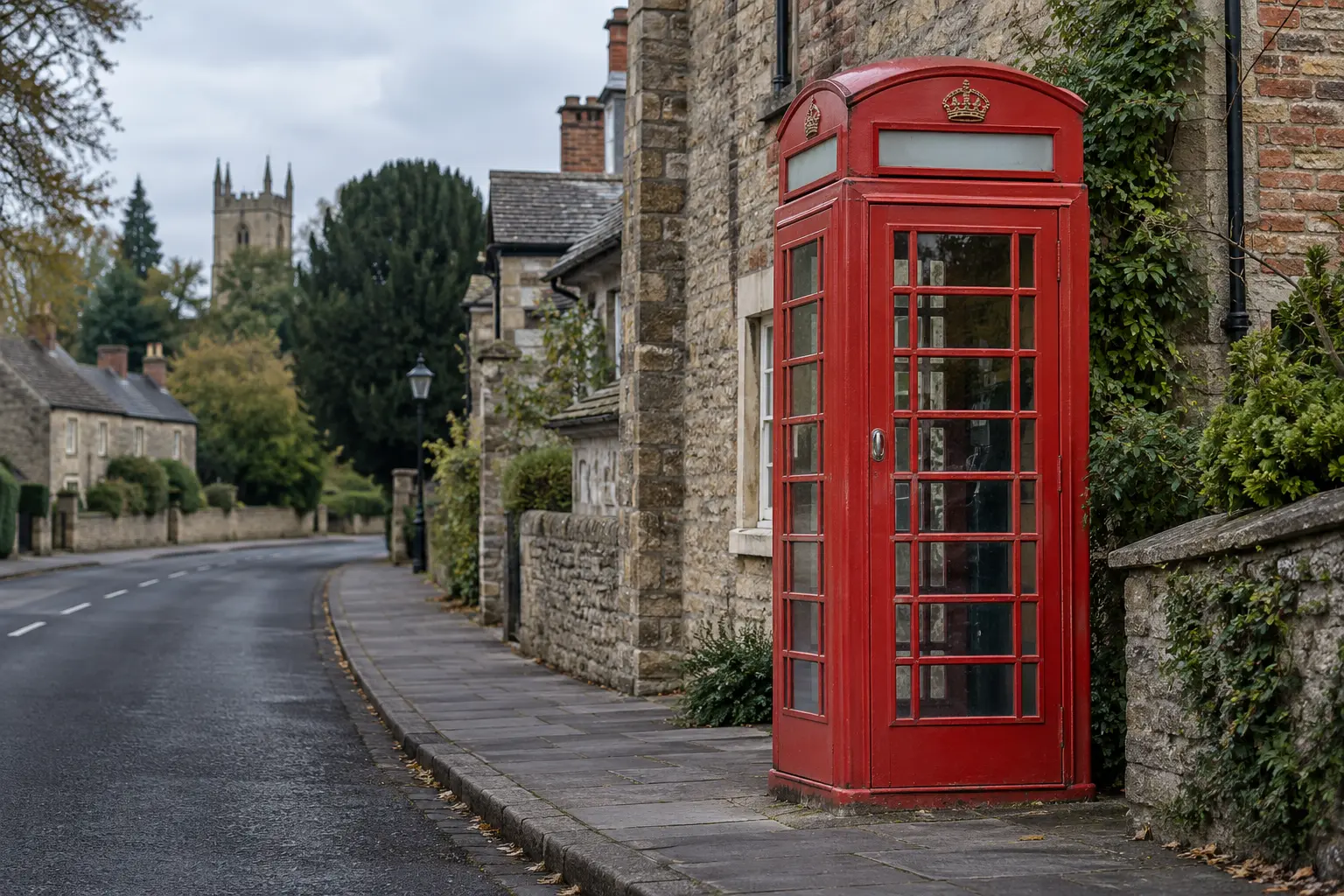
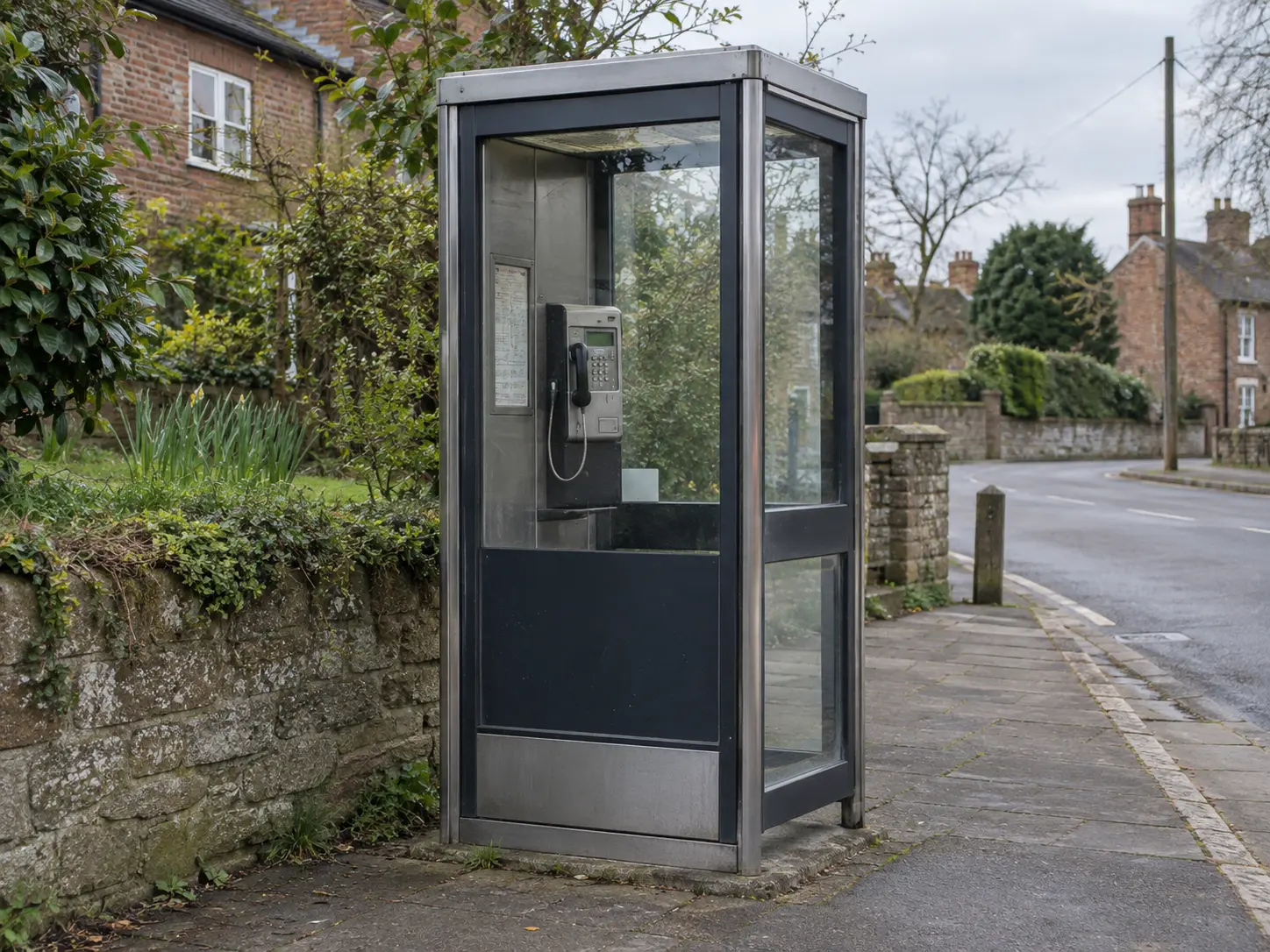
The Foundation’s developing programme includes both the familiar cast-iron K6 and the later KX100. Their construction, heritage significance and condition differ, so each needs a properly assessed restoration and reuse plan.
The purpose must fit the place.
A visible kiosk may suit emergency equipment; another may be better used for books, art, local history or community information. Location, power, accessibility, security, permissions and ongoing management all influence the decision.
No project happens alone.
Local authorities, residents, community organisations, trades, heritage specialists, suppliers, funders and sponsors can each contribute. The Foundation coordinates that support around a shared plan and a clear understanding of what has—and has not—yet been delivered.
See how you can contribute →